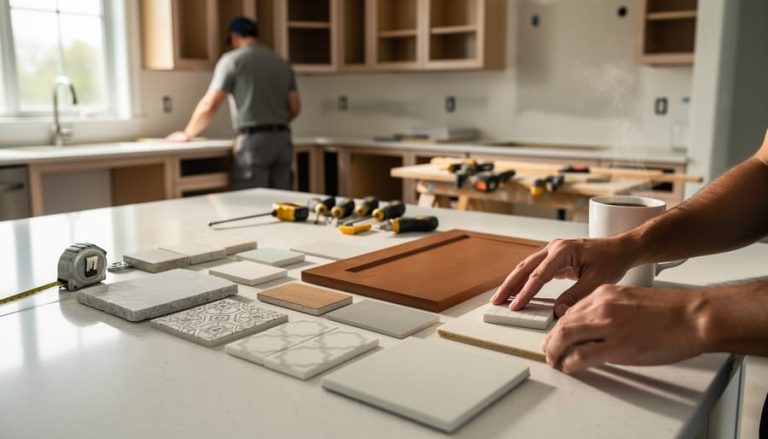
Selling a fire-damaged property can feel overwhelming, but services like Property Saviour offer alternatives when restoration seems impossible. However, if you choose to stage and sell traditionally, start by cleaning all soot residue from walls, ceilings, and floors using TSP cleaner or specialized fire damage products to eliminate smoke odor that immediately alerts buyers to fire history. Fresh paint in neutral, light colors like soft white or warm beige creates a clean slate while masking lingering discoloration—choose low-VOC options that won’t add chemical smells to spaces already compromised by smoke.
Replace visibly damaged flooring in high-traffic areas first, prioritizing entryways and living rooms where buyers form crucial first impressions. If budget constraints limit full replacement, professional deep cleaning followed by strategic area rugs can disguise minor scorching while adding warmth and texture.
Address burned or smoke-stained windows by replacing damaged panes and thoroughly cleaning frames, then dress them with crisp white curtains or simple blinds to draw eyes toward natural light rather than fire remnants. Remove and replace any cabinets, baseboards, or trim showing obvious char marks—these small investments signal to buyers that you’ve restored the home’s integrity.
I remember helping my neighbor stage her kitchen after a small grease fire left stubborn stains. We couldn’t afford full renovations, but strategic updates transformed the space.
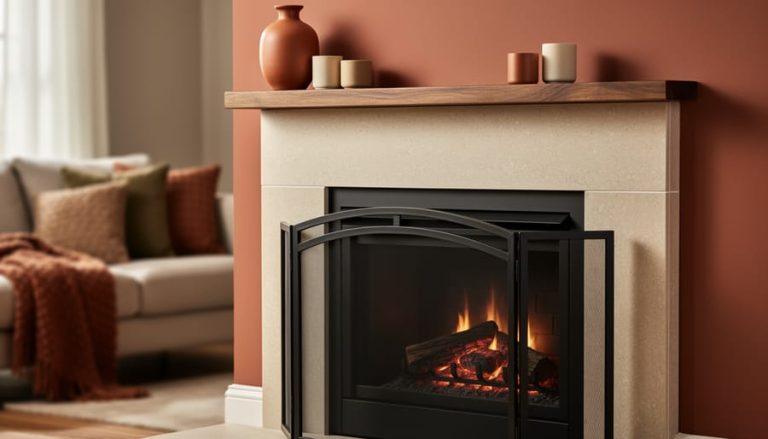
Stage cleared spaces with minimal, fresh decor—a bowl of lemons in the kitchen, potted plants in living areas—to introduce pleasant scents naturally while creating inviting vignettes that help buyers envision possibility rather than damage.
Understanding What Buyers See (And What Scares Them)
I’ll never forget walking through my friend Sarah’s home just weeks after a kitchen fire had swept through the main floor. Though the flames had been contained quickly, the evidence was everywhere—and I watched potential buyers literally turn around at the front door. Their faces told the whole story: fear, uncertainty, and an overwhelming sense that this house held secrets they didn’t want to discover.
Here’s what most buyers are genuinely worried about when they encounter a fire-damaged property. First and foremost, they’re concerned about structural integrity. Even if you’ve had professionals repair everything beautifully, that nagging question lingers: “Is this house really safe?” They’re also anxious about smoke damage they can’t see—imagining it lurking behind walls, in ductwork, or permeating materials that will smell forever. And perhaps most troubling, they worry about what else might be hiding beneath those fresh repairs.
The beautiful truth I’ve learned through helping friends navigate this journey—including deciding whether to renovate or move forward with selling as-is—is that thoughtful staging can completely transform these perceptions. When you stage purposefully, you’re not hiding damage; you’re telling a story of renewal and possibility.
Fresh, light-filled spaces signal that the property has been thoroughly addressed. Strategic placement of air-purifying plants and soft textiles creates sensory reassurance. Displaying documentation of repairs in an attractive folder shows transparency and builds trust. Suddenly, buyers stop seeing a damaged house and start envisioning their fresh start—a home reborn, waiting for its next beautiful chapter.
The First Priority: Deep Cleaning and Odor Elimination
Tackling Smoke Odor Without Breaking the Bank
I’ll never forget the day my neighbor Sarah tackled the lingering smoke smell in her kitchen after a small grease fire. She was overwhelmed at first, but together we discovered that a few pantry staples worked wonders without emptying her wallet.
Start with white vinegar, your new best friend in this journey. Fill shallow bowls with vinegar and place them throughout affected rooms overnight. The vinegar naturally absorbs smoke particles from the air, and while the smell is strong initially, it disappears along with the smoke odor. For a gentler approach, simmer a pot of water with vinegar and a few cinnamon sticks on your stovetop.
Baking soda is equally magical for surfaces and fabrics. Sprinkle it generously on carpets, upholstery, and even inside cabinets. Let it sit for at least 24 hours before vacuuming thoroughly. I’ve seen this simple trick transform rooms that smelled like a campfire into fresh, inviting spaces.
Don’t underestimate the power of fresh air and sunlight. Open windows daily, creating cross-ventilation that naturally purifies your home. Place houseplants like spider plants or peace lilies near affected areas to help filter the air naturally while adding life back into your space.
Surface Cleaning That Makes a Visible Difference
After my sister’s kitchen fire, I discovered that the right cleaning approach transformed surfaces from damaged to delightfully fresh. Start with walls by mixing warm water with a few drops of dish soap and a splash of white vinegar. Working from bottom to top prevents streaking, and you’ll be amazed how gentle circular motions lift soot without damaging paint. For stubborn spots, a magic eraser became my secret weapon.
Floors need special attention too. I found that adding a cup of vinegar to my mop bucket cut through that lingering smoky film on hardwood and tile beautifully. For fixtures like doorknobs and light switches, a simple paste of baking soda and water works wonders. Let it sit for five minutes before wiping clean.
Remember to tackle baseboards and window sills where soot loves to hide. These small details make potential buyers feel confident that your home has been thoroughly restored. The satisfaction of watching surfaces regain their original brightness reminded me that even after difficulty, beauty can shine through again with patience and the right techniques.
Strategic Repairs: What to Fix and What to Leave
Budget-Friendly Cosmetic Fixes That Transform Spaces
After our kitchen fire last spring, I discovered that sometimes the most powerful transformations come in small, affordable packages. When smoke damage clouds your walls and soot settles into every corner, it’s easy to feel overwhelmed—but I promise, a little paint and some simple updates can work absolute magic.
Start with a fresh coat of paint, your most powerful ally in erasing fire’s fingerprints. Choosing the right paint matters tremendously here—look for primers designed to seal smoke odors and stains before applying your finish coat. I learned this the hard way when my first attempt bled through! Opt for lighter, neutral colors like soft whites or warm grays that make rooms feel spacious and fresh.
Next, swap out light fixtures and cabinet hardware. These small touches cost surprisingly little but instantly modernize spaces. I found beautiful brushed nickel fixtures at our local home improvement store for under thirty dollars each, and they completely transformed our dated kitchen into something buyers could envision as their own.
Don’t forget outlet covers and switch plates—these often-overlooked details yellowed by smoke can be replaced for just pennies each. Add a thorough deep clean of windows to maximize natural light, and consider affordable peel-and-stick backsplash tiles if fire damage was concentrated in your kitchen.
These budget-friendly fixes won’t drain your wallet, but they’ll absolutely refresh your space and give potential buyers confidence in your home’s renewal.
When to Repair and When to Offer a Credit
When I helped my sister decide which fire repairs to tackle before selling her home, we learned that strategic choices make all the difference. Some fixes directly impact buyer confidence and should be prioritized, while others might be better addressed through pricing adjustments.
Always repair visible structural damage, electrical systems, and anything affecting home safety. Buyers need to feel secure, and these repairs demonstrate your commitment to the property’s integrity. Fresh drywall, new flooring in affected areas, and odor remediation are also worthwhile investments that transform the space from damaged to desirable.
However, cosmetic updates in unaffected rooms or premium finishes might not yield returns. Consider offering a credit for these instead. When planning home improvements post-fire, focus your budget on repairs that eliminate red flags rather than creating showroom perfection.
A thoughtful approach is offering credits for kitchen or bathroom upgrades, allowing buyers to personalize these spaces themselves. This strategy actually appeals to DIY enthusiasts who envision their own creative touch. Price your home fairly, accounting for remaining cosmetic work, and you’ll attract buyers who see potential rather than problems. Remember, transparency builds trust, and selective repairs paired with honest pricing often sell homes faster than attempting every possible fix.
Creating Visual Appeal in Partially Damaged Spaces
Furniture Placement That Redirects Attention
Think of furniture placement as a gentle guide, leading your buyers on a curated journey through your home. When I helped my cousin stage her kitchen after a small fire, we discovered that strategic furniture arrangement worked like magic to shift focus away from lingering concerns.
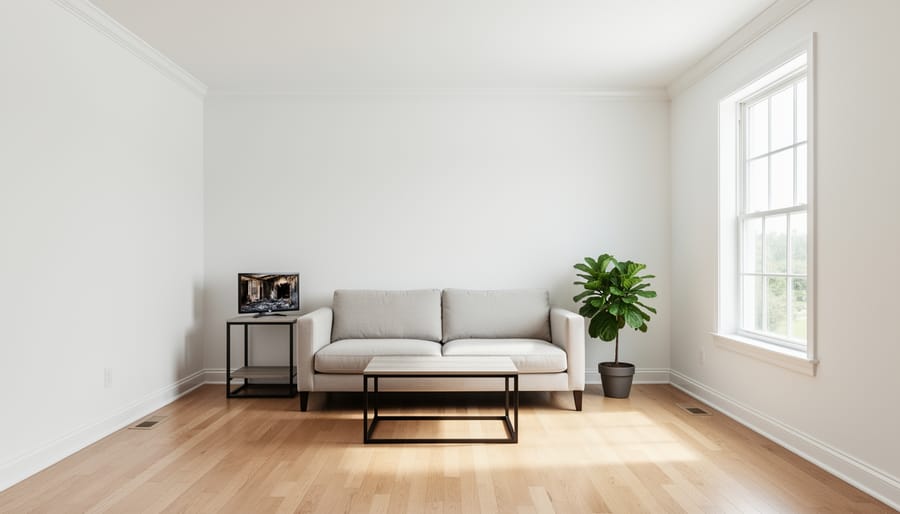
Start by creating conversation areas that face your home’s best features. Position your sofa to showcase a beautiful window view or an undamaged accent wall rather than toward areas that might still show subtle fire remediation. This feels natural to buyers and keeps their attention exactly where you want it.
Create clear, flowing pathways that move people through spaces quickly near problem spots while slowing them down in your home’s shining moments. A cozy reading nook by a sunny window becomes an irresistible pause point, while keeping traffic moving past that ceiling corner you’re still worried about.
I’ve found that angling furniture slightly works wonders too. Instead of placing everything parallel to walls, try diagonal arrangements that naturally direct sightlines toward your most beautifully restored features. Layer in warm lighting and soft textiles around these focal points, and you’ll create welcoming spaces that feel intentional and inviting, not like you’re hiding anything at all.

Lighting Tricks That Brighten Dark, Damaged Spaces
Light has this magical way of transforming even the most challenging spaces, and I’ve discovered this firsthand while helping a friend prepare her smoke-damaged home for sale. We started by pulling back heavy curtains and giving windows a thorough cleaning – you’d be amazed how much brighter a room becomes when natural light can actually flow through.
Position affordable floor lamps in corners where damage is most visible. The warm glow naturally draws eyes upward and outward, creating the illusion of openness. I picked up three beautiful lamps at a thrift store for under thirty dollars, and they completely changed the atmosphere. Swap out any remaining bulbs for soft white LEDs – they’re energy-efficient and cast that welcoming, cozy glow that makes people feel instantly comfortable.
Place table lamps on clean surfaces to create layers of light throughout each room. During showings, turn on every single light source. This brightness doesn’t just illuminate – it symbolizes hope and possibility, showing potential buyers the home’s future rather than dwelling on its past.
Fresh Decor That Signals ‘Move-In Ready’
After the heaviness of recovery, your home deserves touches that whisper possibility rather than pain. I remember helping a friend stage her fire-damaged kitchen, and we discovered that fresh greenery changed everything—a potted fern on the windowsill suddenly made the space feel alive again. Strategic splashes of renewal create that coveted move-in ready feeling without breaking your budget.
Start with living plants in ceramic pots to add instant vibrancy and symbolize new beginnings. Drape neutral throws across furniture and introduce texture through styling throw pillows in soft creams and warm grays. These simple textiles create visual warmth while keeping the palette buyer-friendly.
Artwork matters tremendously here. Choose pieces depicting nature scenes, open landscapes, or abstract designs in calming blues and greens. These images suggest forward momentum rather than dwelling on the past. A well-placed mirror reflects light and expands space, creating an airy atmosphere that helps buyers envision their own fresh start in your beautifully renewed home.
Staging Undamaged Rooms to Their Full Potential
When I helped my cousin stage her home after a kitchen fire, we discovered something beautiful: the rooms untouched by flames became our secret weapons. These spaces transformed into beacons of possibility, showing potential buyers what the entire home could become once again.
Your undamaged rooms deserve to shine brighter than ever. Think of them as ambassadors of hope, welcoming visitors with warmth and beauty that says, “Yes, this home has a wonderful future ahead.” Start with a thorough deep clean, opening windows to invite fresh air and natural light. Sometimes the lingering smell of smoke can travel, so place bowls of white vinegar or baking soda in corners to naturally absorb any odors.
Now comes the enjoyable part: creating inviting vignettes that tell a story. In my cousin’s untouched guest bedroom, we added crisp white linens, plumped pillows in soft blues and greens, and placed a small vase of fresh eucalyptus on the nightstand. The transformation cost less than thirty dollars but created an oasis of calm that buyers remembered long after their visit.
Consider the season when staging these spaces. During autumn, warm throw blankets and amber-toned accents create coziness. Spring calls for lighter fabrics and fresh florals. These touches don’t require expensive purchases; thrift stores and discount retailers offer beautiful options.
Minimize personal items and maximize space by removing excess furniture. Create clear pathways that guide visitors naturally from room to room. Each undamaged space should feel intentionally designed, not hastily arranged. Remember, these rooms aren’t just showing what survived; they’re demonstrating the care and love this home deserves, making it easier for buyers to imagine their own fresh start within these walls.
The Power of Before-and-After Documentation
I learned the incredible power of transformation photos during my friend Sarah’s fire recovery journey. When she worried no one would ever see past the damage, I encouraged her to document every single step of her restoration. Trust me, this became her secret weapon.
Start photographing before you even begin cleaning. I know it feels counterintuitive to capture the worst moments, but these images tell an important story. Take shots from the same angles throughout your restoration process, creating a visual timeline that shows the remarkable progress you’ve made.
When presenting your before-and-after photos, think about creating a warm, hopeful narrative rather than dwelling on the devastation. For each room, capture images that highlight specific improvements: the freshly painted walls where smoke stains once lived, the beautiful new light fixtures replacing damaged ones, or the refinished floors that look even better than before.
Consider creating a simple album or digital presentation for potential buyers. Sarah displayed hers on a tablet during showings, and buyers were genuinely moved by the care and attention invested in every corner. This documentation doesn’t just show what was fixed; it demonstrates love, dedication, and thorough restoration.
These visual stories build tremendous confidence. They transform the narrative from “this house had a fire” to “this house was lovingly restored with quality materials and careful attention.” Buyers can actually see the silver lining, understanding that many components are now newer and better than in comparable homes. Your photos become proof of value, not just recovery.
Working With What You Have: Ultra-Budget Staging Ideas
I’ll never forget the morning my neighbor Sarah showed me her living room after their kitchen fire. With tears in her eyes, she whispered, “I have nothing left to make this house feel like home.” But here’s the beautiful truth I’ve learned through the years: sometimes having less gives us permission to get wonderfully creative.
Start by reaching out to your circle. Friends and family often have furniture sitting unused in basements or garages, just waiting for a second chance to shine. A borrowed sofa, even if it’s not your style, brings warmth and purpose to an empty room. I’ve seen sellers transform spaces using pieces from three different households, creating surprisingly cohesive arrangements that helped buyers envision their own lives unfolding there.
Nature becomes your most generous decorator. Branches from your yard arranged in a tall vase create striking focal points. Pinecones gathered during autumn walks add seasonal charm to mantels and windowsills. Even simple greenery clippings in mason jars breathe life into sterile spaces.
Consider budget-friendly wall art printed at your local office supply store. Landscapes, botanical prints, or abstract designs downloaded from free image sites can fill those haunting blank walls for just pennies per print.
Fabric remnants from discount stores work magic as table runners or decorative throws. A five-dollar piece of burlap draped over a borrowed side table suddenly looks intentional and curated.
Your local Buy Nothing group or community swap pages often yield treasures others are giving away. One seller I worked with furnished an entire bedroom using items she found for free within a single week.
Remember, buyers aren’t expecting perfection after a fire. They’re looking for possibility, and sometimes the simplest touches whisper the loudest promises.
I know this journey hasn’t been easy. Recovering from a house fire is one of the most emotionally draining experiences you can face, and making the decision to sell adds another layer of complexity to an already difficult chapter. But here’s what I want you to remember: staging your fire-damaged home isn’t just about strategy and square footage. It’s about reclaiming your story and showing potential buyers the resilience that exists within those walls.
The truth is, thoughtful staging really does make a difference. Homes that are properly prepared sell faster and often command better prices, even when they’ve weathered storms. By investing time and care into presenting your property with intention, you’re giving buyers permission to see possibility instead of just damage.
This challenging season won’t last forever. As you close this chapter, know that you’re not just selling a house—you’re making space for new beginnings. Your home has stood through fire, and so have you. That kind of strength deserves to be honored, and it will carry you forward into whatever beautiful adventure comes next.