Picture yourself standing in your current kitchen on a chilly October morning, coffee in hand, mentally redesigning the cramped counter space and outdated cabinets. You’ve been scrolling through renovation photos for months, bookmarking ideas, and now you’re ready to move forward. But before you sign a single contract or pick out that gorgeous farmhouse sink you’ve been eyeing, there’s a crucial step that separates successful kitchen remodels from costly disasters: asking the right questions.
I learned this lesson the hard way during my first kitchen renovation. I dove headfirst into choosing backsplash tiles and cabinet colors before mapping out my actual cooking habits or considering how my family really used the space. The result? Beautiful finishes in a layout that didn’t serve us well. That experience taught me that thoughtful planning beats pretty inspiration boards every time.
A kitchen remodel represents one of the biggest investments you’ll make in your home. The decisions you make now will affect your daily life for years to come, from morning breakfast routines to holiday gatherings with extended family. Getting it right means stepping back from the excitement of design magazines and asking yourself honest, sometimes uncomfortable questions about your budget, lifestyle, timeline, and priorities.
This comprehensive guide walks you through every question you need to answer before breaking ground. We’ll cover everything from establishing a realistic budget to choosing materials that balance beauty with durability, plus those often-forgotten details that can derail even well-planned projects. Whether you’re working with the team at PD Renovations or managing the project yourself, these questions create a roadmap that transforms vague dreams into a concrete plan that actually works for your life and wallet.
Budget and Timeline Questions That Matter Most
What’s Your True Budget (Including the Unexpected)?
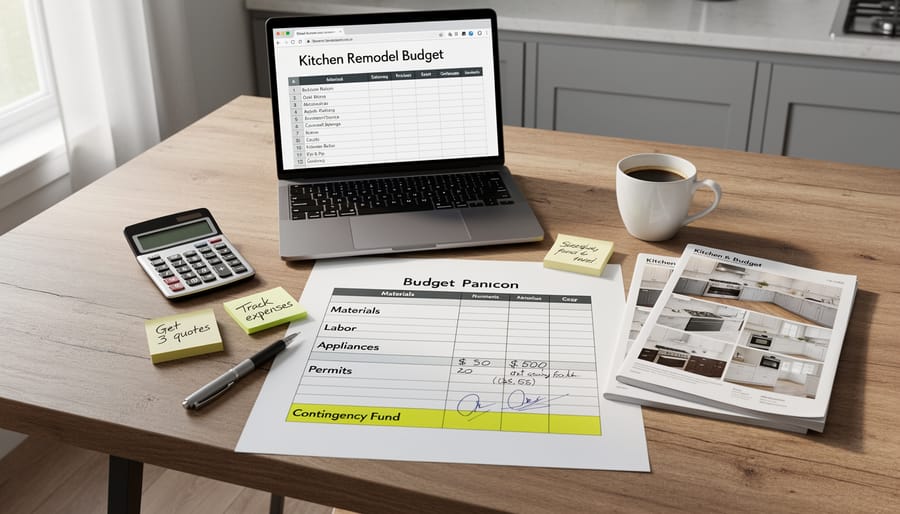
Here’s the truth I learned during my first kitchen renovation: whatever number you’ve written down, add at least twenty percent. Seriously. That “small” plumbing issue we discovered once the old cabinets came down? An extra $800. The permit fees nobody mentioned at the home improvement store? Another $450.
Start by getting three contractor quotes, even if you’re planning to DIY portions of the project. This gives you realistic pricing for your area. Then build your budget in layers. First, your must-haves: cabinets, countertops, appliances, flooring. Next, your want-to-haves: that gorgeous backsplash tile, upgraded lighting fixtures. Finally, and this is crucial, your contingency fund.
I recommend setting aside fifteen to twenty-five percent of your total budget for surprises. Old homes especially love to reveal hidden challenges behind walls. Permits vary wildly by location, sometimes costing a few hundred dollars or climbing into the thousands for major renovations. Call your local building department early in the planning process.
Don’t forget the sneaky costs: disposal fees for your old cabinets, temporary kitchen setup expenses, eating out more during construction. One friend spent $600 on takeout alone during her six-week remodel! These little expenses add up faster than you’d think, especially during those late autumn projects when you’d rather be baking cookies than ordering pizza again.
How Long Can You Really Live Without Your Kitchen?
Let me be honest with you: living without a functional kitchen is harder than most people anticipate. I learned this firsthand during my own kitchen makeover last spring. What I thought would be a breezy three-week project stretched into six weeks, and by week four, I was practically begging for my oven back.
When planning home improvement projectstimeline discussions with your contractor should be detailed and realistic. Most kitchen remodels take anywhere from four to eight weeks, depending on the scope. Get specific completion dates in writing, but also ask about potential delays. Cabinet deliveries, custom countertops, and appliance installations can push timelines unexpectedly.
Here’s what saved my sanity: creating a temporary kitchen setup in our dining room. We moved our microwave, slow cooker, and toaster oven onto a folding table. I bought disposable plates (not glamorous, but practical), and we treated ourselves to takeout twice a week without guilt. Stock your pantry with foods that need minimal preparation. Think rotisserie chickens, bagged salads, and one-pot meals you can make in that slow cooker.
Talk with your family about meal expectations before demolition day arrives. Nobody should expect gourmet dinners when you’re washing dishes in the bathroom sink. Setting these expectations early prevents frustration later.
Lifestyle and Functionality Questions to Ask Yourself
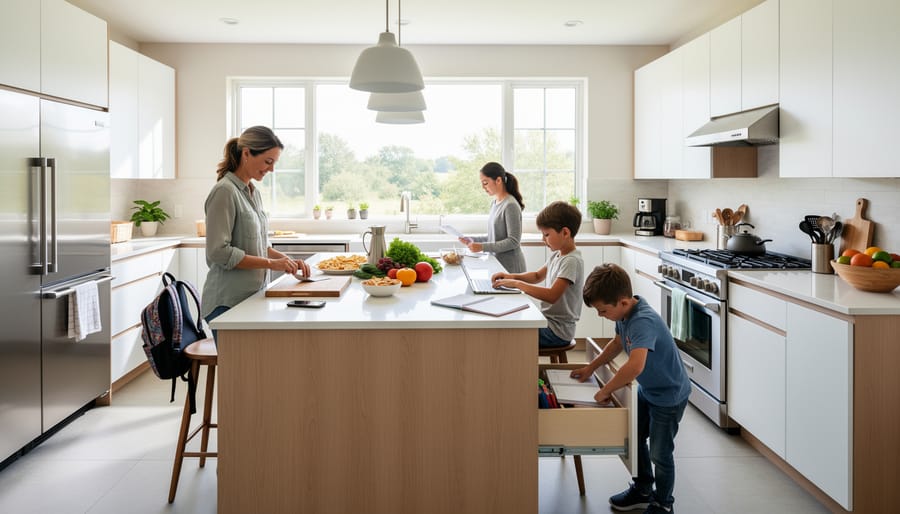
How Do You Actually Use Your Kitchen Daily?
Before you start pinning gorgeous kitchen islands and dreamy cabinet colors, let’s talk about reality for a minute. I learned this the hard way during my first kitchen redo, when I fell in love with a massive double oven that looked stunning but made zero sense for someone who meal-preps on Sundays and orders takeout twice a week.
Grab a notebook and spend a full week observing how you truly live in your kitchen. Do you actually cook elaborate dinners, or are you more of a quick breakfast and sandwich-for-lunch person? I started tracking this last fall and discovered I used my slow cooker three times more than my stovetop, which completely changed my appliance priorities.
Pay attention to the traffic patterns too. Where do people naturally congregate? In our house, everyone gravitates toward the kitchen island the moment they walk in the door, dropping backpacks, mail, and everything else. That’s real life, and your design needs to work with it, not against it.
Notice where bottlenecks happen. Do you bump into your partner every morning during the coffee routine? Does homework time clash with dinner prep? My girlfriend swears by the “shadow test” where her husband literally followed her around the kitchen one evening, and they realized they needed two distinct work zones.
Think about storage honestly too. Count how many pots you actually use versus how many are shoved in the back of that cabinet. Your dream kitchen should reflect your actual habits, not an aspirational version of yourself that doesn’t exist.
What’s Driving You Crazy About Your Current Kitchen?
Before you start dreaming about gleaming countertops and custom cabinetry, let’s talk about what’s actually making you cringe every time you walk into your kitchen. I remember standing in my old kitchen one morning, coffee cup in hand, staring at the corner cabinet where Tupperware lids went to die. That moment of frustration was actually the beginning of my entire remodel plan.
Start by making a brutally honest list of everything that drives you up the wall. Is it the lack of counter space that forces you to prep vegetables on the stovetop? Maybe your pantry is so disorganized that you’ve bought three bottles of vanilla extract because you can never find anything. Or perhaps the refrigerator door swings into the walkway, creating a daily obstacle course.
Think about the flow of your space too. Do you constantly bump into your partner during dinner prep? Are your dish storage and dishwasher on opposite sides of the room? These layout quirks might seem minor, but they add up to real irritation over time.
Consider storage beyond just cabinets. Where do your small appliances live? If your mixer is buried in a bottom cabinet because there’s nowhere else for it to go, you’ll probably skip making those holiday cookies. Good organization supplies can only do so much when the bones of your kitchen aren’t working for you.
Write down every single frustration, no matter how petty it seems. These pain points will guide your entire remodel.
Layout and Design Questions That Shape Your Space
Does Your Current Layout Work, or Do You Need to Move Things?
One of the biggest budget decisions you’ll face is whether to keep your existing kitchen footprint or reimagine the entire layout. I learned this the hard way during my first renovation when I fell in love with the idea of moving my sink to the island. The quote came back nearly $4,000 higher than expected because of all the plumbing work involved.
Here’s the reality: every time you relocate a sink, stove, or major appliance, you’re adding significant labor and materials to your budget. Moving plumbing lines, rerouting gas connections, and upgrading electrical panels aren’t just expensive. they also require permits and inspections that add time to your timeline.
But sometimes it’s absolutely worth it. If your current layout has you doing an awkward dance around the refrigerator every time you cook, or if you’re constantly bumping into family members in a cramped workspace, repositioning key elements might transform your daily experience. This is especially true for small kitchen designwhere every inch of flow matters.
Ask yourself: does your work triangle actually work for how you cook? Can you reach the stove, sink, and fridge without obstacles? If your current layout functions reasonably well, you can invest those saved dollars into gorgeous countertops or custom cabinetry instead. Sometimes the smartest remodel keeps the bones and beautifies everything else.
Where Will Everything Actually Go?
I learned this lesson the hard way during my first kitchen renovation: you can have the most beautiful cabinets in the world, but if you can’t find your favorite wooden spoon or fit your stand mixer anywhere, you’ll be frustrated every single day. Storage planning deserves just as much attention as picking out that gorgeous backsplash tile.
Start by pulling everything out of your current kitchen. Yes, everything. I remember spreading it all across my dining room table one Saturday morning, and I was shocked by how many coffee mugs we’d accumulated! This inventory exercise helps you understand exactly what you need to store. Take photos and make notes about which items you use daily versus seasonally.
Think about zones as you plan. Your coffee station needs mugs, filters, and sugar within arm’s reach. Baking supplies should live near your prep area. Heavy pots deserve deep drawers near the stove, not upper cabinets where you’re wrestling them down. I’ve found that kitchen storage solutions work best when they’re tailored to how you actually cook.
Don’t forget about those awkward items. Where will the slow cooker live when you’re not using it? What about cookie sheets and cutting boards? During spring cleaning season, I love reassessing whether we really need that waffle maker we use twice a year.
Ask your designer or contractor specific questions: How many drawers versus cabinets? Will there be pull-out shelving? Can we add vertical dividers for baking sheets? Where’s the best spot for a spice rack?
The goal is making everything accessible and logical for your daily rhythm.
Material and Finish Questions for Long-Term Satisfaction
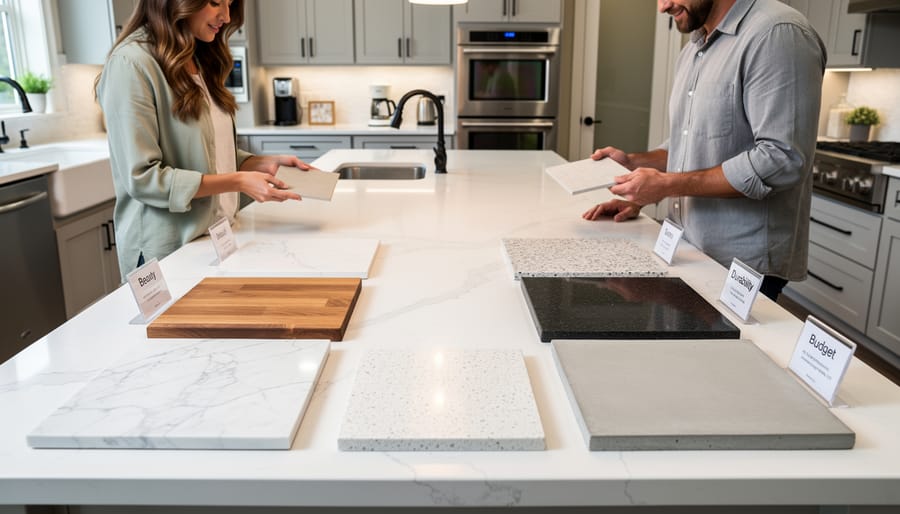
What Can You Splurge On and What Should You Save On?
I learned this lesson the hard way during my first kitchen remodel. I splurged on things that didn’t really matter and skimped on the essentials. Let me save you from my mistakes.
Invest your dollars where they truly count: quality cabinets and a durable countertop. These are the workhorses of your kitchen. You touch them daily, and replacing them later is expensive and disruptive. I also recommend spending on good lighting fixtures. The right lighting transforms everything, making even budget finishes look high-end.
Here’s where you can absolutely save without regret. Cabinet hardware looks stunning at a fraction of designer prices when you shop online or at discount stores. Backsplash tile offers incredible variety at every price point. I’ve seen subway tile from the big box store look just as beautiful as pricey artisan versions. The same goes for paint, which is one of the most affordable ways to refresh your space.
Think about applying the same principles you’d use for budget-friendly customization elsewhere in your home. Open shelving costs significantly less than upper cabinets and creates that airy, collected-over-time feel I adore.
Your faucet sits somewhere in the middle. Get something reliable and attractive, but you don’t need the absolute top-of-the-line model. Save that money for the countertops you’ll actually use every single day.
Will You Still Love This in Five Years?
I learned this lesson the hard way when I fell head over heels for mosaic tile backsplashes in the early 2000s. That vibrant geometric pattern felt so fresh and exciting at the time. Fast forward a decade, and I cringed every time I walked into that kitchen. The lesson? Trends fade, but you’ll be looking at your kitchen every single day.
Here’s my guideline: choose trendy elements only in places you can easily change later. Love that bold millennial pink? Use it in your dish towels, bar stools, or a painted accent wall you can repaint on a Saturday afternoon. Save your permanent choices like cabinets, countertops, and flooring for colors and styles with staying power.
Think about kitchens you’ve admired in older homes. White subway tile, classic Shaker cabinets, and neutral stone counters have looked beautiful for generations. There’s a reason for that. They provide a timeless foundation that lets you play with accessories and smaller updates as your tastes evolve.
I’m not saying your kitchen needs to be boring! Just build your personality into the space through changeable elements. That vintage-inspired hardware you adore? Go for it. Those open shelves where you can display colorful dishes? Perfect. But that trendy hexagonal floor tile in a bold color might feel dated before your renovation is even paid off.
Contractor and DIY Questions You Must Answer
What Can You Realistically DIY?
I learned this the hard way during my first kitchen update: I thought I could tackle everything myself, only to realize halfway through that some jobs really do need a professional. Here’s how to honestly evaluate what you can handle.
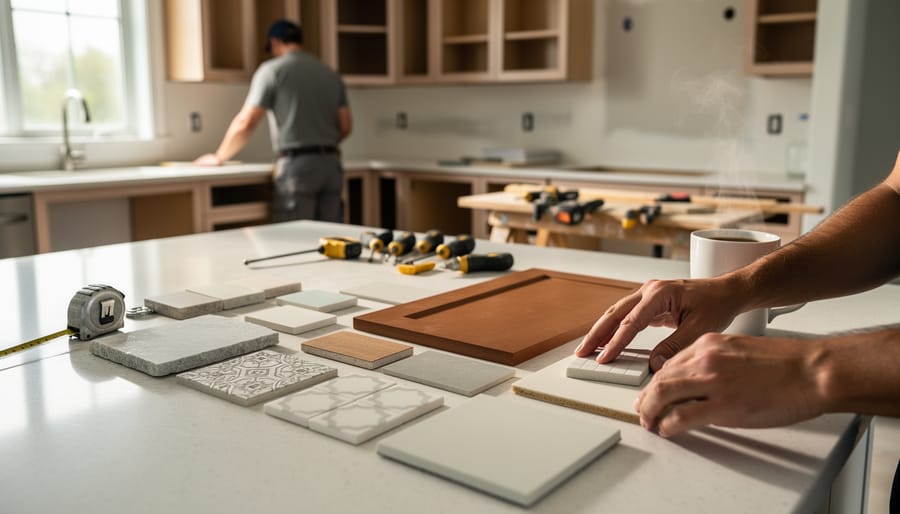
Start with painting cabinets, replacing hardware, and installing a backsplash. These projects are genuinely DIY-friendly and can transform your space without requiring specialized skills. I spent a weekend painting my oak cabinets white, and the difference was stunning. Swapping out cabinet pulls and drawer handles takes less than an afternoon but delivers instant visual impact.
Installing open shelving is another great weekend project if you’re comfortable with a drill and level. Just make sure you’re anchoring into studs, not just drywall.
Now, let’s talk about what to leave to the pros. Electrical work, plumbing, and anything involving gas lines require licensed professionals. Period. Even if you’re handy, permits and safety codes make these non-negotiable. I’ve seen beautiful DIY kitchens fail inspection because someone tried to save money on electrical work.
Countertop installation also falls into the professional category, especially for materials like quartz or granite. These slabs are incredibly heavy and one wrong cut is an expensive mistake.
Be realistic about your time too. A simple cabinet painting project might take four weekends instead of two if you’re working around family obligations.
How Will You Choose the Right People to Help?
Finding the right team for your kitchen remodel can feel overwhelming, but I learned this lesson the hard way during our first renovation: taking shortcuts on vetting contractors always costs more in the long run.
Start by asking friends and neighbors for recommendations. Someone who did beautiful work on your colleague’s kitchen last spring is worth their weight in gold. Once you have a few names, verify their licenses and insurance. I know it sounds tedious, but one quick call to your state licensing board can save you from disaster.
Check at least three references, and don’t just ask if they were happy. Ask specific questions: Did the contractor stick to the timeline? How did they handle unexpected problems? Would you hire them again? I like to drive by completed projects if possible. Photos can be deceiving.
Read every line of your contract before signing. It should spell out payment schedules, project timelines, materials brands, and who’s responsible for permits. Never pay the full amount upfront. A standard arrangement is 10% down, progress payments at specific milestones, and final payment only when you’re completely satisfied.
Trust your gut too. If someone makes you uncomfortable during the estimate, imagine working with them for weeks in your home.
The Often-Forgotten Questions That Save Headaches Later
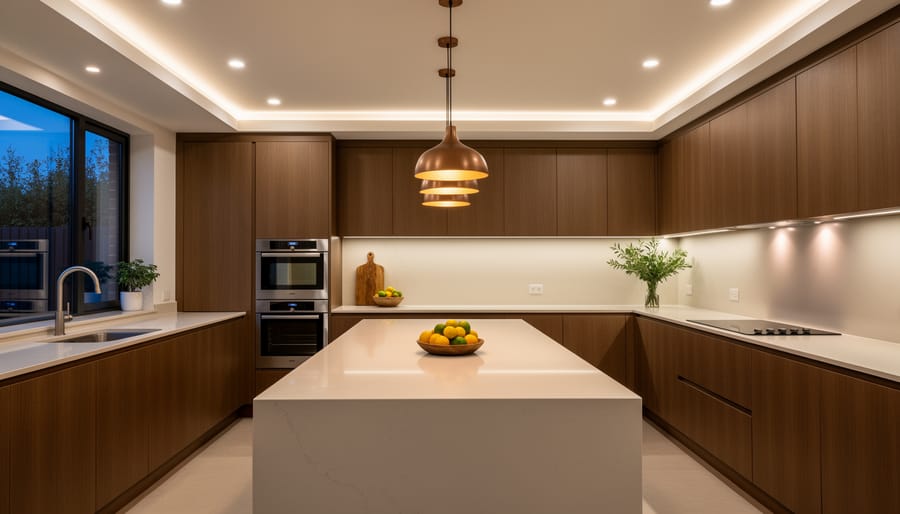
Do You Have Enough Light and Outlets?
I learned this lesson the hard way during my first kitchen update. I thought I had plenty of light, but the moment I started chopping vegetables in the evening, I realized my overhead fixture left me working in my own shadow. A kitchen needs multiple light sources working together to create a space that’s both functional and inviting.
Think about layering your lighting like you’d layer textures in a cozy fall room. You’ll want bright task lighting under cabinets to illuminate countertops where you prep and cook. Ambient lighting from ceiling fixtures sets the overall mood, while pendant lights over an island or dining area add personality and focused light. Don’t forget inside cabinets with glass doors. These little touches make your kitchen feel warm and complete.
Now, let’s talk outlets. We have so many more gadgets than our grandmothers ever dreamed of. Coffee makers, stand mixers, phone chargers, instant pots, air fryers… the list goes on. Plan for at least one outlet every four feet along your countertops, and consider adding USB ports too. Place them thoughtfully, thinking about where you’ll actually use each appliance.
A dedicated outlet for your microwave is essential, and if you’re dreaming of a coffee station, give it its own power source. Your future self will thank you every single morning.
What About Ventilation and Air Quality?
I learned this the hard way during my first kitchen renovation: a beautiful kitchen that traps cooking smells and steam isn’t so beautiful after all. Ventilation seems like one of those boring details until you’re standing in a smoke-filled room because your range hood can’t keep up with a simple stir-fry.
Your range hood should move at least 100 cubic feet per minute for every 10,000 BTUs your cooktop produces. If you love to sear steaks or cook Asian cuisine with high heat, you’ll want something more powerful. I upgraded to a 600 CFM hood after years of setting off smoke alarms, and it changed everything about how I cook.
Think about where your hood vents too. Ducted systems that vent outside are far more effective than recirculating ones. If your kitchen doesn’t have exterior wall access, you might need to plan ductwork through the ceiling or cabinets.
During the remodel itself, keep windows open and use fans to clear dust and fumes from construction. Your lungs will thank you. Consider asking your contractor about low-VOC paints and finishes that won’t leave your kitchen smelling like chemicals for weeks after completion.
Fresh air makes a fresh start in your new kitchen possible.
I remember sitting at my kitchen table last spring, surrounded by magazine clippings, paint swatches, and a notebook filled with questions I’d jotted down over weeks of dreaming about my remodel. That planning phase felt overwhelming at times, but looking back now, those quiet hours of thoughtful consideration gave me something priceless: a kitchen that truly works for how my family lives.
Taking your time with these questions isn’t just smart. It’s essential. There’s no prize for rushing through this process, and honestly, the weeks you spend thinking through your needs, preferences, and priorities will save you from years of wishing you’d made different choices. I’ve learned that the homeowners who love their kitchens a decade later are the ones who asked the hard questions before breaking ground.
Your kitchen remodel is a significant investment, both financially and emotionally. By working through these planning questions now, you’re building a foundation that will support every decision you make along the way. You’re giving yourself permission to create a space that reflects your real life, not just pretty pictures from a catalog.
Be patient with yourself during this stage. Some answers will come easily, while others might require conversations with your family, research, or simply living in your current kitchen with fresh awareness. Trust the process. The clarity you gain now will guide you toward a kitchen you’ll treasure for years to come.